Nobody wants to deal with an emergency tree removal. It usually means a storm hit hard, or you had a tree that was already in bad shape finally give out. Once the immediate danger is gone and the debris is cleared, you might think you're in the clear. But that's not always the case. There's a lot you can do to make sure you don't end up in the same spot again, and to maintain the health of the rest of your trees.
Extending the Life of the Work (and Preventing Future Headaches)
When we talk about extending the life of the work after an emergency removal, we're really talking about preventing future emergencies. If a tree came down, there's a reason. Maybe it was diseased, structurally unsound, or just too old. The first thing you need to do is look at the surrounding trees. Are they similar in age or species? Do they show any of the same signs of weakness?
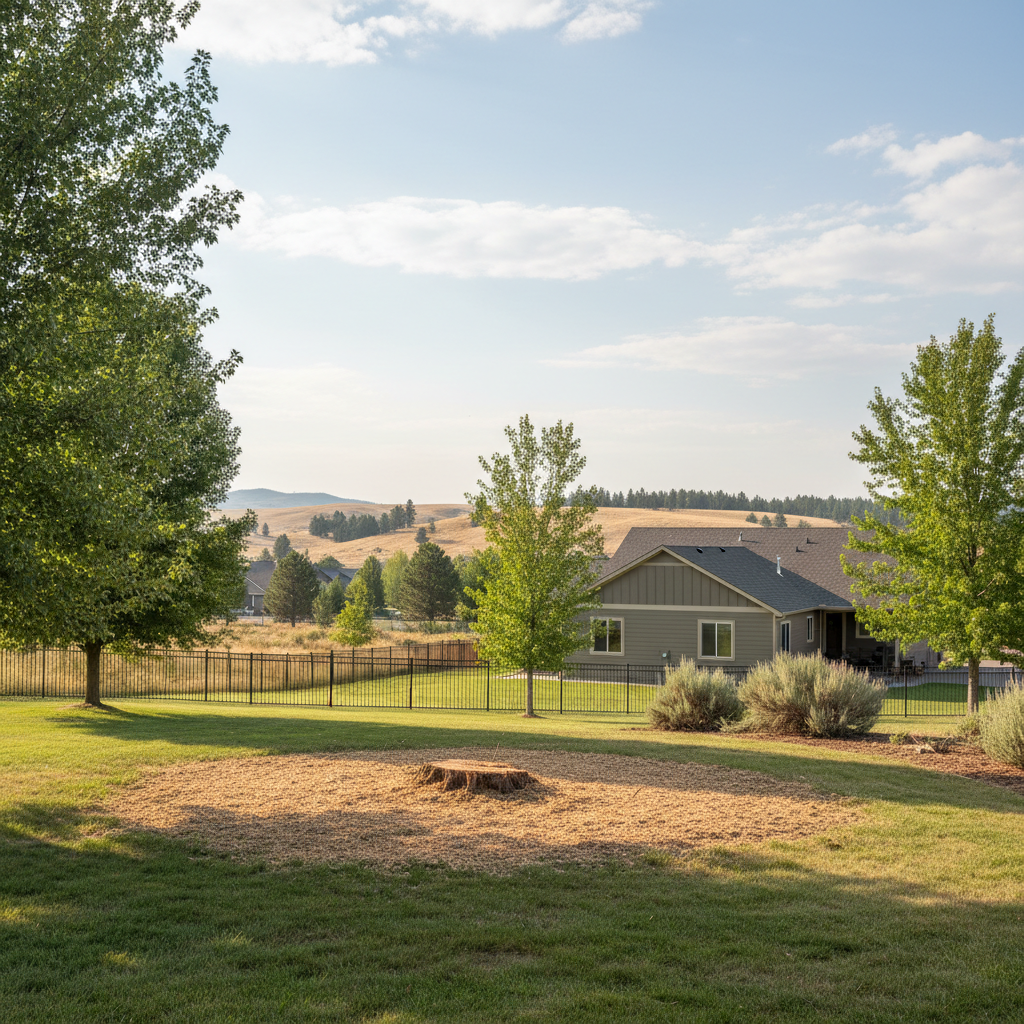
For instance, if a large Ponderosa Pine fell because of root rot, you should have us check any other Ponderosas nearby. They might be susceptible to the same issues, especially if they're in a low-lying area that holds water, which can happen even in our dry Kennewick climate if drainage isn't right. After we've removed a tree, we'll usually recommend stump grinding. This isn't just for aesthetics; it removes a potential breeding ground for pests and diseases that could spread to other trees or even your home's foundation. Plus, it lets you replant or re-landscape without a tripping hazard.
What Regular Tree Maintenance Looks Like Here
Regular maintenance is your best defense against future emergencies. It's not just about waiting for a problem; it's about being proactive. Here in Kennewick, our dry, hot summers and sometimes harsh winters put a lot of stress on trees. They need a little extra care.
- Pruning: This is huge. Dead, diseased, or weak branches are just waiting for a strong wind to snap off and cause damage. We recommend getting your trees professionally pruned every 3-5 years, maybe more often for fast-growing species or those close to your house. Proper pruning also improves air circulation and sunlight penetration, which helps prevent disease.
- Watering: Even native trees benefit from supplemental watering during our long, dry summers. Deep, infrequent watering is better than shallow, frequent watering. It encourages roots to grow deeper, making the tree more stable and drought-resistant. Just don't overwater, especially in clay soils, as that can lead to root rot.
- Mulching: A good layer of organic mulch around the base of your trees (but not touching the trunk) helps retain soil moisture, regulates soil temperature, and suppresses weeds. It's a simple, effective way to keep your trees happier and healthier.
- Inspections: Walk around your property regularly. Just a quick look for anything out of the ordinary can save you a lot of grief down the road.
Warning Signs You Shouldn't Ignore
Your trees usually give you clues before they become a real hazard. You just need to know what to look for. Don't brush these off:
- Dead branches: If a branch doesn't have leaves when it should, or if the bark is peeling off, it's dead. Dead wood is brittle and can fall at any time.
- Cracks in the trunk or major limbs: These can indicate structural weakness. Some cracks are minor, but deep or spreading cracks are a serious concern.
- Leaning: A tree that suddenly starts leaning, or has a significant lean that's getting worse, is a big red flag. Especially if you see soil heaving around the base.
- Mushrooms or fungi: These growing on the trunk or at the base of a tree can signal internal decay, especially root rot.
- Cankers or open wounds: These are areas where the bark has died back, exposing the wood. They can be entry points for disease and pests.
- Hollow sounds: If you tap the trunk with a rubber mallet and it sounds hollow, that's a sign of internal decay.
- Pest infestations: Excessive insect activity, especially boring insects, can weaken a tree significantly.
When to Call a Professional
Look, I'm biased, but when you see those warning signs, or if you're just not sure, it's always better to call in the experts. Don't try to tackle a large, potentially dangerous tree yourself. That's how accidents happen. You should definitely call Tri Cities Tree Service if:
- You notice any of the warning signs I just mentioned, especially if the tree is near your home, power lines, or a high-traffic area.
- A tree has been damaged in a storm and you're not sure if it's stable.
- You need a large branch removed that you can't safely reach from the ground.
- You're planning new construction or landscaping and need advice on how it might impact existing trees.
- You just want a professional assessment of your trees' health and safety.
We've got the equipment, the training, and the insurance to handle these jobs safely and effectively. Taking care of your trees is an investment in your property's safety and beauty, and it's always cheaper to prevent a problem than to deal with an emergency cleanup.