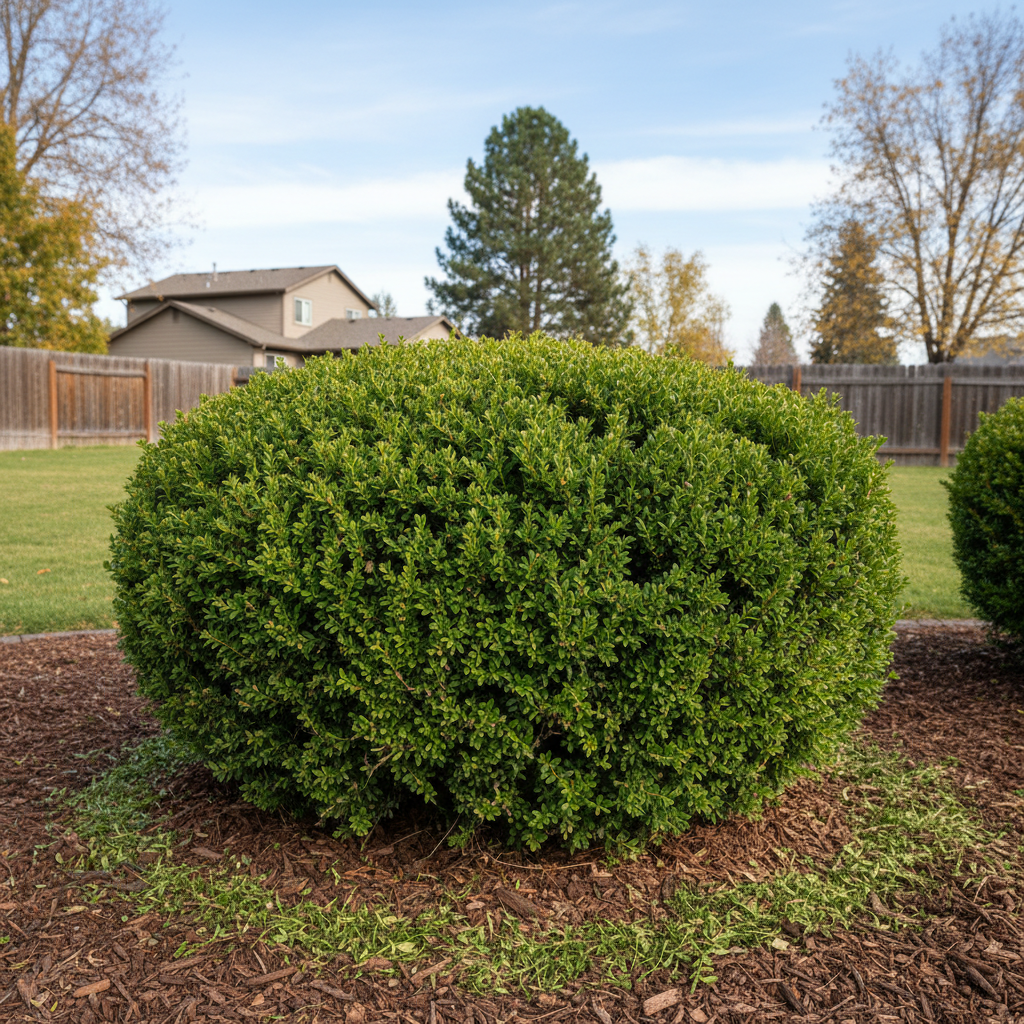
So, your shrubs and bushes are looking a bit wild, huh? Happens to the best of us. Before you just grab the shears and go to town, let's talk about what you can actually do yourself, and when it's just smarter to step back and call someone like us.
Before You Even Think About Trimming
First things first: know your plants. Seriously. Not all shrubs are created equal, and how you trim them really depends on what kind they are. Is it a flowering shrub? If so, when does it bloom? You definitely don't want to cut off all next year's flowers by trimming at the wrong time. For most flowering shrubs, you'll want to trim them right after they finish blooming. If it's a non-flowering evergreen, like a juniper or boxwood, you've got a bit more flexibility. Usually, late winter or early spring before new growth starts works well, or late summer after the main growth spurt has passed.
Also, take a good, hard look at the overall health of the plant. Are there dead branches? Diseased sections? Those need to go, no matter the time of year, to stop problems from spreading. You'll need the right tools too. For smaller stuff, good bypass hand pruners are absolutely essential. For thicker branches, loppers are your best friend. If you're dealing with hedges or a lot of uniform shaping, electric or gas trimmers can save you a ton of time. But remember, those are for maintenance, not major overhauls.
Getting Down to Business: The Trimming Itself
Okay, you've got your tools, you know your plant, and you've picked the right time. Now what? The general rule of thumb is to remove no more than about one-third of the plant's total growth in a single season. Going beyond that can really stress the plant out, making it vulnerable to disease or just plain killing it.
Start by removing any dead, diseased, or damaged branches. Cut these back to healthy wood or right to the main stem. Then, step back and look at the shape. Are you going for a natural look or a more formal, manicured hedge? For natural shapes, focus on thinning out overcrowded branches to improve air circulation and let more light in. Cut back to a side branch or a main stem. For hedges, you're usually aiming for a slightly wider base than top – this helps sunlight reach the lower branches, keeping the whole thing full and lush.
Don't just randomly hack away. Make clean cuts. Ragged cuts, well, they just invite pests and diseases. And always, always wear safety glasses and gloves. You'd be surprised what a stray twig or a slipping tool can do to an eye or a hand, wouldn't you?
When to Call in the Pros
Look, I'm all for homeowners doing what they can to maintain their property. It saves you money and gives you a sense of accomplishment. But there are definitely times when you need to call in a professional. Here are a few:
- Size matters: If the shrubs are taller than you can comfortably reach with a pole pruner, or if they're so dense you can't even see what you're doing, it's time to call.
- Heavy lifting: Thinking about removing large, thick branches (anything over an inch or two in diameter, for example) or doing a major reduction? That's usually beyond DIY hand tools and can be dangerous.
- Specialized knowledge: Some plants, like certain fruit trees or ornamental trees, require very specific pruning techniques to encourage fruiting or keep their unique shape. If you're unsure, don't guess.
- Safety concerns: Are the shrubs near power lines? Close to your house? Or a fence that could get damaged? Don't risk it. We've got the equipment and training to handle those situations safely.
- Time and effort: Let's be real, sometimes you just don't have the time or energy. We get it. That's why Tri Cities Tree Service is here.
We see a lot of different plants around Kennewick, from the hardy desert-adapted shrubs in Badger Mountain neighborhoods to the more traditional landscaping in older parts of town. Each one has its own specific needs, and sometimes, trying to force a plant into a shape it doesn't want to be can just make things worse.
After the Trimming: What's Next?
Once you're done, clean up your mess. Seriously, don't leave clippings lying around. They can harbor pests and diseases. Give your tools a good clean too – wipe down blades with rubbing alcohol to prevent spreading anything from one plant to another. Then, give your newly trimmed plants a good drink of water, especially if it's been dry. Trimming can be a bit of a shock to a plant, and proper hydration helps it recover and put out new, healthy growth.
Keep an eye on your plants in the weeks following the trim. Look for signs of stress, new growth, or any issues that might pop up. Regular, light maintenance is always better than letting things get completely out of hand and then trying to fix it all at once.
So, go ahead and tackle those smaller jobs. But for anything that feels too big, too complex, or just plain dangerous, give us a call. We're happy to help you keep your Kennewick yard looking its best.