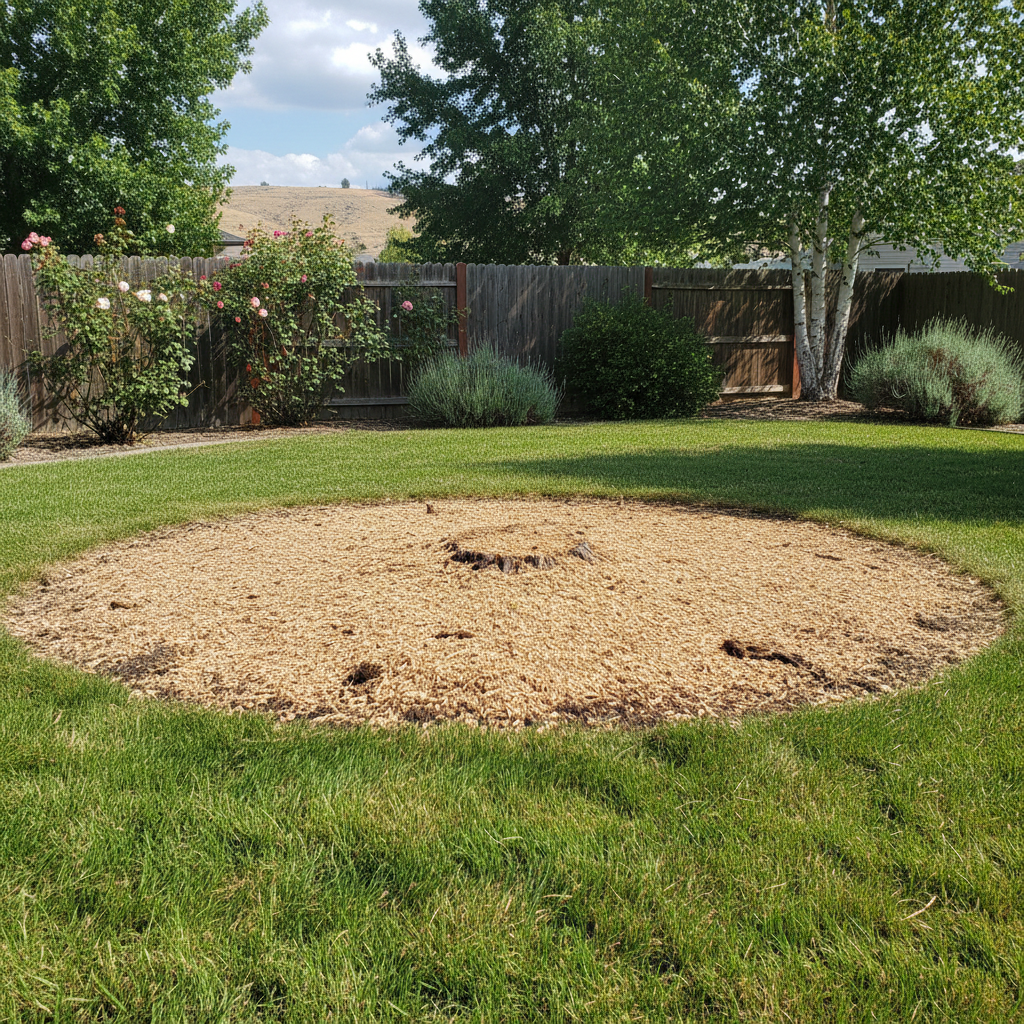
You've had a tree taken down, maybe it was diseased, or maybe you just wanted more sun in your yard. Now you're left with that ugly stump. It's not just an eyesore; it's a tripping hazard, a home for pests, and it can even mess with new landscaping plans. I get a lot of calls from folks around Kennewick, especially in areas like Badger Mountain South where people are putting in new yards, asking about stumps. Here are the most common questions I hear, and what you really need to know.
Do I really need to remove that stump? Can't I just leave it?
Technically, sure, you can leave it. But I wouldn't recommend it. That stump isn't going to just disappear on its own overnight. It'll slowly rot, which can take years, even decades for bigger ones. While it's rotting, it's a magnet for all sorts of critters you don't want near your house: termites, carpenter ants, beetles. Plus, it can sprout new shoots, turning into a constant battle of whack-a-mole with little saplings. And let's be honest, it's not exactly boosting your curb appeal, is it? If you're planning to re-sod, plant a garden, or build anything, that stump is going to be a major obstacle.
What's the difference between stump grinding and stump removal?
This is a big one, and people often use the terms interchangeably, but they're not the same. When we talk about stump grinding, we're using a specialized machine with a rotating cutting head that grinds the stump down into wood chips, usually about 6 to 12 inches below ground level. This gets rid of the visible part of the stump and allows you to plant grass or put down new soil. The roots are left behind to decompose naturally. It's usually quicker and less invasive.
Stump removal, on the other hand, means getting rid of the entire stump and as much of the root system as possible. This often involves heavy machinery, digging, and can leave a pretty big hole in your yard. It's a much bigger job, more disruptive, and more expensive. You'd typically only go for full removal if you're planning to build something directly on top of where the stump was, or if you're dealing with a tree known for aggressive root systems that could cause issues later on.
How deep do you grind a stump?
For most residential jobs, we grind stumps anywhere from 6 to 12 inches below the surface. Six inches is usually enough if you just want to plant grass over it. If you're planning to put in a flower bed, a small tree, or lay down pavers, we might go a bit deeper, maybe 10 or 12 inches. We'll discuss your plans for the area beforehand so we can make sure we grind to the right depth for your needs. Going too deep just creates a bigger hole to fill and isn't usually necessary unless you're planting a new tree right there.
What happens to the wood chips? Do I have to clean them up?
After we grind a stump, you're going to have a pile of wood chips mixed with some soil. What you do with them is up to you. Most of our customers choose to keep them. They're great for mulching around other plants, or you can spread them out in your garden beds. They'll break down over time and add nutrients to your soil. If you don't want them, we can haul them away for an additional charge. Just let us know your preference when we give you a quote.
How much does stump grinding cost in Kennewick?
Alright, the million-dollar question. The truth is, there's no flat rate. The cost depends on a few key things:
- Size of the stump: The diameter of the stump is the biggest factor. A small 10-inch stump is much faster and easier than a 3-foot monster.
- Type of tree: Some wood is harder than others. A mesquite stump, for example, is tougher to grind than a poplar.
- Location: Is it easy to get our grinder to the stump? Is it in the middle of your lawn, or tucked away in a tight spot next to a fence or foundation? Accessibility makes a difference.
- Depth: As I mentioned, going deeper costs a bit more because it takes more time and effort.
- Cleanup: Do you want us to haul away the chips, or will you take care of them?
The best way to get an accurate price is to give us a call at Tri Cities Tree Service. We can usually give you a good estimate over the phone if you can tell us the diameter and location, or we can swing by for a quick look.
Will stump grinding damage my lawn or landscaping?
We do our best to minimize any impact. Our stump grinders are heavy machines, but they're designed to be maneuverable. We'll lay down plywood if needed to protect your lawn when we're moving the grinder into position. The grinding process itself is pretty contained to the stump area. You'll have that pile of chips, but once those are cleared or spread, the surrounding area should be fine. We're always careful around existing plants, fences, and irrigation lines. It's a good idea for you to point out any underground utilities or sprinkler heads near the stump before we start, just to be safe.
Can I grind the stump myself?
You can, but I generally advise against it unless you're really experienced with heavy machinery. Stump grinders are powerful tools, and they can be dangerous if you don't know what you're doing. They kick up a lot of debris, and there's a real risk of injury if you're not wearing proper safety gear or operating the machine correctly. Plus, renting a grinder for a day can be surprisingly expensive, and you're still on the hook for transporting it, fueling it, and doing all the work. For most homeowners, it's safer, more efficient, and often more cost-effective in the long run to hire a professional. We've got the right equipment, the experience, and the insurance to get the job done right and safely.